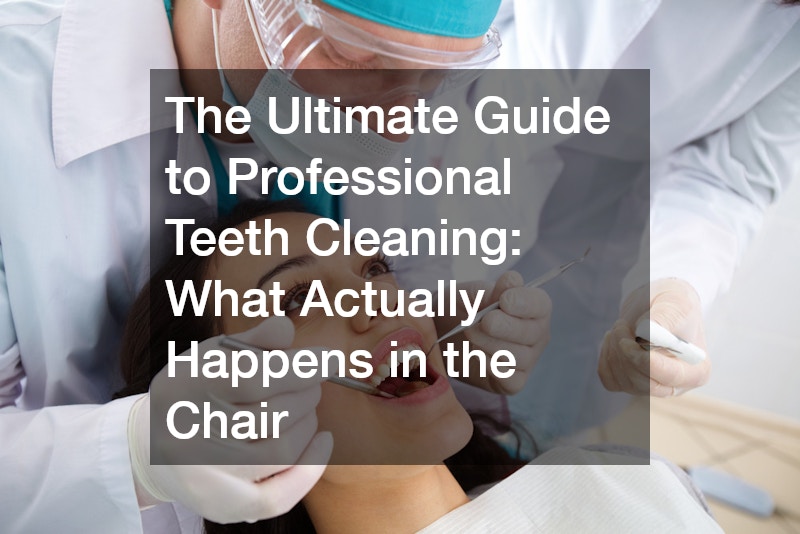

Most people sit in the dental hygiene chair twice a year, put on dark sunglasses, and listen to the rhythmic hum of silver tools without knowing what is happening. The experience can feel like a black box of scraping noises, polite small talk, and periodic instructions to spit. Understanding each phase of the appointment transforms a routine visit into an empowering health investment. Professional care goes far beyond creating a polished smile; it protects the delicate structures supporting your oral ecosystem.
Preventing Systemic Health Issues Through Oral Hygiene
The benefits of sitting in that hygiene chair extend well past the borders of your mouth. Scientific research continues to demonstrate a powerful link between chronic oral inflammation and broader health conditions throughout the body.
When plaque and tartar linger along the gumline, they trigger a persistent inflammatory response in the surrounding tissues. This chronic state of stress allows harmful bacteria to occasionally enter the bloodstream during chewing or aggressive brushing.
Over time, this continuous migration of oral microbes can contribute to increased systemic inflammation. Studies have connected untreated periodontal issues to elevated risks for cardiovascular disease, arterial plaque accumulation, and complications in managing blood sugar levels for individuals with diabetes. Furthermore, pregnant individuals with active gum disease face higher rates of preterm birth and low birthweight infants due to circulating inflammatory markers.
By prioritizing regular professional care, you actively reduce the total bacterial burden inside your mouth. This routine maintenance helps minimize chronic inflammation, effectively easing the workload on your immune system. Taking care of your gums and enamel is not simply an aesthetic routine; it serves as a critical line of defense for protecting your heart, metabolism, and overall physical vitality throughout every stage of life.
Preliminary Examination and Health Assessment
Before any tools touch your enamel, the hygienist begins with a thorough evaluation of your mouth. Using a tiny mirror, they inspect every surface of your teeth and soft tissues. This visual sweep checks for early signs of decay, inflammation, broken restorations, or unusual lesions across the tongue and cheeks.
During this stage, a delicate probe measures the depth of the space between your gums and teeth. Healthy tissue creates a shallow pocket between one and three millimeters. Deeper measurements alert the team to tissue swelling or early bone loss. Spotting these subtle shifts allows for proactive adjustments before minor irritation escalates into serious periodontal disease.
Removing Built-Up Plaque and Tartar
Once the assessment is complete, the focus turns to removing the deposits that daily brushing leaves behind. Even the most diligent home routine cannot prevent soft, sticky plaque from mineralizing into hard tartar, also known as calculus. Tartar locks onto enamel and beneath the gumline, creating a rough habitat where bacteria thrive.
The clinician usually starts with an ultrasonic scaler, an instrument that vibrates at high frequencies while spraying a fine mist of water. The rapid movement disrupts calculus formations, while the liquid continuously washes away debris and keeps the tool cool. Following the ultrasonic phase, fine hand instruments clean away leftover specks and smooth out uneven surfaces. The soft scraping sounds during this phase are simply metal tips gliding across hard enamel to dislodge calcified deposits.
Deep Cleaning Enamel with High-Powered Polish
After the physical calculus is gone, the teeth undergo a specialized polishing step. A small, motorized rubber cup loaded with a gritty paste works across every exposed surface. This paste, similar in consistency to heavy-grit toothpaste, relies on mild abrasives to scrub away lingering surface stains caused by coffee, tea, or food pigments.
Beyond removing discoloration, polishing creates a smooth texture on the enamel. Bacteria struggle to adhere to slick surfaces, meaning your teeth remain cleaner longer after leaving the office. The hygienist then feeds dental floss between each tooth, working deep into the interdental spaces to clear out remaining polish residue and dislodge hidden plaque.
Targeted Fluoride and Protective Care
The final phase involves fortifying the enamel against future acid attacks. Mineral loss occurs naturally throughout the day when mouth bacteria feed on sugars and produce acids. A professional fluoride application helps reverse this wear by reintroducing essential minerals directly into the outer tooth layer.
Depending on individual needs, fluoride is applied as a quick-setting varnish, a rich foam, or a smooth gel. Varnish cures immediately upon contact with saliva, creating a protective shield that releases beneficial minerals over several hours. This simple step hardens enamel, reduces temperature sensitivity, and acts as a strong defense against new cavities.
Long-Term Value for Your Smile
Leaving the dental chair with smooth teeth and healthy gums is the immediate reward, but the true value lies in long-term prevention. Consistent professional cleanings from a dentist keep bacterial populations in check, protect the underlying jawbone, and safeguard your overall physical well-being. Knowing what happens behind the scenes turns a routine visit into a comfortable, confident step toward lifelong health.